

Natural gas furnaces are a popular heating system in the United States. About 47% of US homeowners use a natural gas furnace to heat their homes–that’s almost half! Considering that gas furnaces are an efficient method of heating a home, it’s no surprise that they’re so popular for keeping homes comfortable and cozy. A malfunctioning furnace can leave your family feeling cold and uncomfortable during the winter months. A typical furnace repair might cost between $150 and $300, making it a manageable expense for many homeowners.
Although gas furnaces are built with safety features to prevent gas leaks, no system is 100% safe. If you make up the 47% of homeowners using a natural gas furnace, it’s important to be aware of things that could go wrong.
A rare issue but a potentially hazardous and lethal one is a cracked heat exchanger. If you own a gas furnace, you need to be aware of the signs of a cracked heat exchanger in your home. Schedule an appointment today for furnace repair. Protect your family and ensure comfort by addressing furnace issues promptly.
That way, you’ll know to call us immediately for furnace repair. As a trusted part of the local community, we are dedicated to keeping families safe and warm.
What Is a Heat Exchanger?
Your furnace’s heat exchanger is a metal container that collects hot combustion gas from the burners. The heat from the gas transfers to the metal walls, causing the exchanger to burn hot. Proper airflow from the blower is essential for efficient operation and to prevent issues like short cycling or inconsistent temperatures, as it moves around the exchanger and picks up the heat before it passes into the ventilation system. The remaining combustion exhaust is sent through a flue to the outside air.
A heat exchanger is prone to wear and tear. Regular inspection of your heating equipment can help identify early signs of damage. Its metal chambers expand and contract as it heats your home. This is why short cycling places so much strain on a furnace. Short cycling occurs when a furnace turns on and off frequently, often due to dirty filters, flame sensor issues, or problems with the heat exchanger. Eventually, the strain and corrosion can cause a crack to form.
This is why cracked heat exchangers are more likely to be found in old, outdated gas furnaces. If a crack develops, the carbon monoxide gas (CO) could potentially leak into your home which is a major safety concern. To mitigate this risk, carbon monoxide detectors should be present on every level of a home for safety against leaks.
What Are the Symptoms of a Cracked Heat Exchanger?
Heat exchanger cracks aren’t usually visible to the naked eye. That’s why you need to know the signs of a cracked heat exchanger.
- Your carbon monoxide detectors are going off
- Someone in your household is experiencing symptoms of carbon monoxide poisoning such as nausea, fatigue, vomiting, and flu-like symptoms
- You can detect unpleasant odors in your home such as the smell of sulfur, formaldehyde, or rotten eggs
- Your furnace isn’t producing heat
- There are exterior cracks or corrosion on the outside of your furnace which indicates there’s also interior corrosion
- You hear a repeated clicking noise after the blower shuts off or other noises such as rattling, popping, and banging
- You can see a buildup of soot
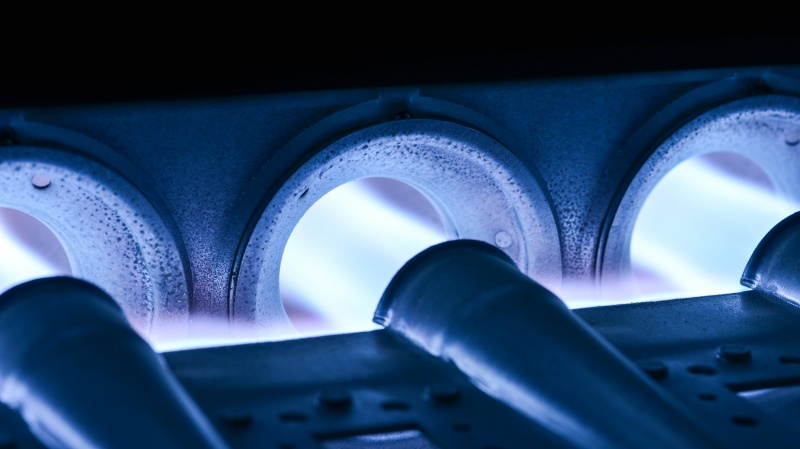
- The pilot light is yellow or orange–it should be blue. Issues with the pilot assembly can cause abnormal pilot light colors.
Safe access to furnace panels is important for proper inspection and troubleshooting of these issues.
If your furnace displays error codes or unusual behavior, consider taking a video to show the codes or symptoms. This can help technicians diagnose the problem more efficiently.
Control Board and Error Codes
The control board acts as the brain of your HVAC system, managing the operation of key components like the blower motor, igniter, and gas valve to keep your heating system running smoothly and efficiently. When something goes wrong, the control board displays error codes—these are your furnace’s way of telling you there’s an issue that needs attention. Error codes can point to a range of problems, from a faulty igniter or gas valve to more serious concerns like a cracked heat exchanger.
Understanding these error codes is essential for reliable furnace repair. When a professional technician interprets the codes correctly, they can quickly identify the root cause of the problem and recommend targeted repairs, helping you avoid unnecessary downtime and costly repairs. In some cases, especially with an old HVAC system or a unit that’s become inefficient, persistent error codes may signal that it’s time to consider furnace replacement for better energy efficiency and improved indoor air quality.
Regular HVAC maintenance is key to preventing error codes from appearing in the first place. Issues like dirty filters, poor insulation, or a struggling blower motor can all trigger error codes and reduce your system’s efficiency. Annual furnace maintenance reduces the risk of costly breakdowns and improves energy efficiency. By scheduling routine maintenance and annual inspections, you can catch small problems before they escalate, extend the life of your furnace, and maintain high air quality in your home.
When you schedule a service call, make sure to ask your dealer or technician about their experience with control boards and error codes. A good tech will not only fix the immediate issue but also explain what the error codes mean, offer advice on maintaining your system, and help you make informed decisions about repairs or full replacement if needed. By working with trusted professionals and prioritizing regular maintenance, you’ll keep your heating system operating efficiently, protect your family’s safety, and avoid the risk of costly repairs in the future.
If you notice error codes on your furnace or suspect an issue with your control board, don’t wait—contact a qualified technician for an inspection and reliable furnace repair. Taking action now will help you maintain a safe, efficient, and comfortable home for years to come.
The Importance of Furnace Maintenance
It’s important to schedule annual furnace maintenance to avoid this potential safety hazard. Although this is a rare situation that’s more likely to occur in older furnaces, annual maintenance provides an opportunity for our professional technicians to use their expertise during thorough inspections and reliable service calls, helping to avoid this problem or catch it early, no matter how old your gas furnace is.
When considering furnace repair versus replacing your system, be sure to review the details of your system’s condition, repair costs, and warranty coverage before upgrading to new equipment. Proper installation of new equipment, such as a heat pump, is essential for energy efficiency and safety. HVAC professionals can assist in deciding whether to repair or replace a furnace, often applying the “50% Rule” for economic decision-making. Our comprehensive HVAC repair services include installation, maintenance, and repair for a variety of systems to ensure your comfort year-round.
Contact A-1 Mechanical Heating & Cooling for your next furnace repair. Comfort and Character You Can Depend On!